The global construction industry has been undergoing a major shift. As climate concerns grown and environmental regulations in building tighten, sustainable construction materials and Eco-friendly building materials and practices are no longer an option – they’re essential.
From residential homes to large-scale commercial projects, builders have increasingly turned to renewable, low-impact materials in an attempt to reduce carbon emissions and improve building performance after construction.
In this article, we break down why Eco-friendly building materials are on the rise, the benefits of using them, and why they are shaping the future of sustainability in construction today.
What Are Sustainable Construction Materials?
Sustainable construction materials are building resources that minimize a building’s environmental impact throughout their lifecycle – from sourcing and manufacturing of the material to use in a building and disposal. Such materials are typically:
– Renewable or responsibly-sourced
– Energy-efficient to produce
– Non-toxic and safe for indoor environments
– Recyclable or biodegradable
Common Eco-friendly building materials to consider include:
– Bamboo
– Cork
– Cross-laminated timber (CLT)
– Hempcrete
– Mycelium-based insulation
– Recycled steel
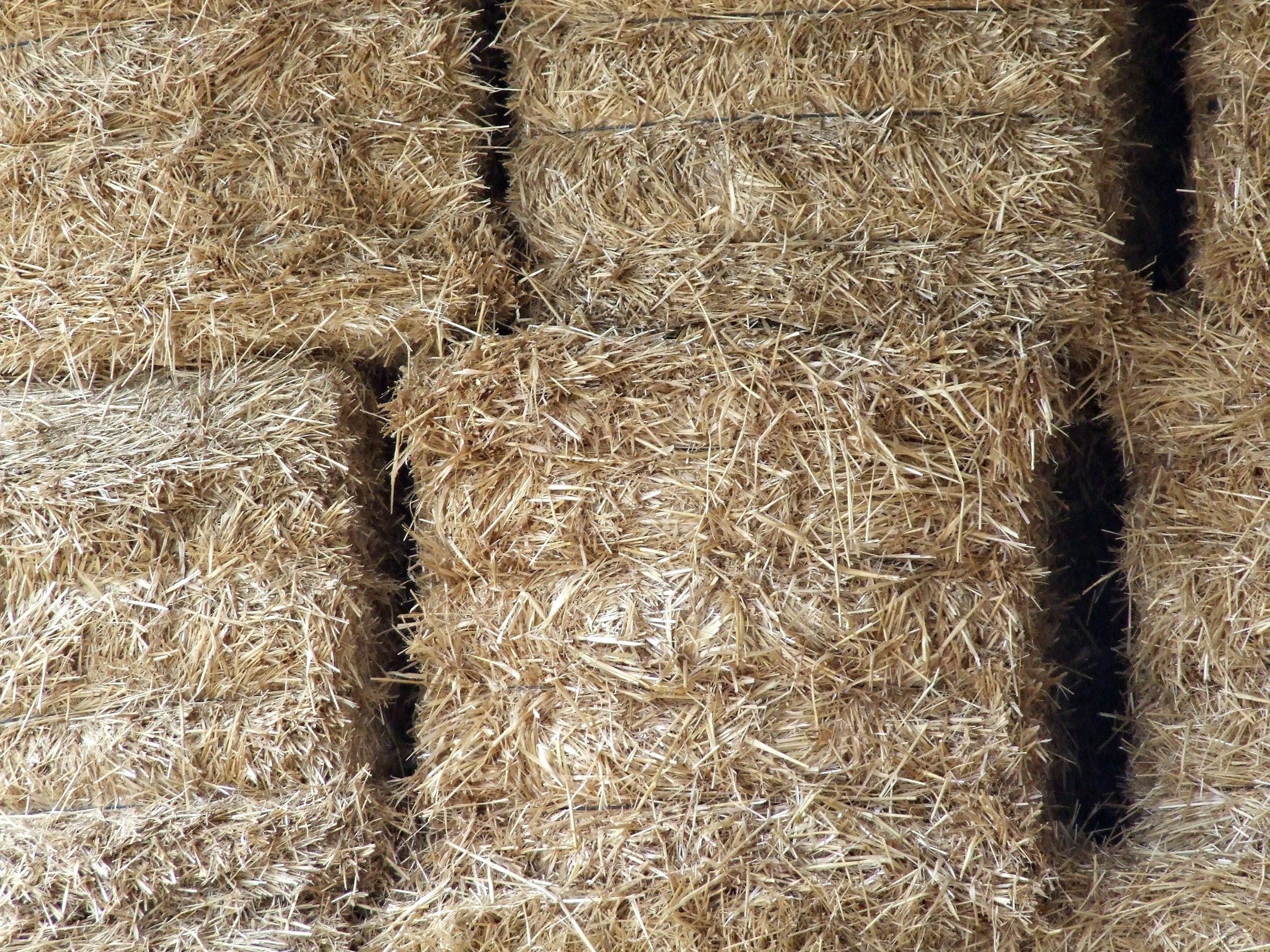
– Straw bales
Check out our article on Sustainable Building Materials to Include in Your Next Build for more ideas. All of these options are redefining modern construction by offering both long-term performance and sustainability.
Rising Demand for Eco-Friendly Building Materials
One of the biggest drivers behind the growth of the use of sustainable construction materials is increasing demand for environmentally-responsible buildings, by both owners and the public at large.
The building and construction industry accounts for nearly 40% of global carbon emissions. As a result, the industry is taking steps such as sustainable construction materials and practices.
– Consumers are actively seeking Eco-friendly homes
– Companies are adopting ESG (Environmental, Social, Governance) goals
With these changes, developers are prioritizing green building practice.
Using Eco-friendly building materials helps reduce overall environmental impact while also meeting modern sustainability expectations.
Lower Carbon Footprint and Carbon Sequestration
A major advantage of sustainable construction materials is their ability to reduce and even reverse the carbon emissions created by a construction project. Unlike traditional materials such as concrete and steel, many bio-based options:
– Produce fewer greenhouse gas emissions
– Require less energy to manufacture
– Store carbon during their lifecycle
For example:
– Timber and bamboo absorb CO2 as they grow
– Hemp-based materials can act as carbon-negative solutions
– Mycelium products require minimal industrial processing to produce
The use of sustainable construction materials like these make Eco-friendly construction a powerful tool in combating climate change one project at a time.
Healthier Indoor Environments
Another reason to use Eco-friendly building materials in your next construction project is their impact on indoor health. Traditional materials often release volatile organic compounds, or VOCs, which often negatively affect air quality. Sustainable options are typically:
– Low-VOC or VOC-free
– Non-toxic
– Breathable and moisture-regulating
Choose materials like cork, clay plaster, sustainable paints, and natural fiber insulation to improve air quality and overall well-being.
Renewable and Resource-Efficient Solutions
Sustainable construction materials are produced from renewable resources that regenerate quickly – far more efficient than traditional options. Such materials include:
– Hemp (matures in only a few months)
– Bamboo (grows up to 3’/day without replanting)
– Recycled materials (reduce landfill waste)

These materials also support a circular economy, where resources are reused, minimizing waste – an essential feature oof sustainable development.
Technological Innovation in Green Building Materials
Modern innovation is helping to accelerate the adoption of Eco-friendly building materials. Advancements in material science have improved features like:
– Strength
– Durability
– Fire resistance
– Moisture control
– Scalability for large projects
CLT and other engineered wood products now compete with materials such as steel and concrete for structural applications, with emerging solutions like mycelium insulation have pushed the boundaries of sustainable design.
Government Regulations and Green Building Incentives
The adoption of any new building material or practice takes time. One of the barriers to widespread use is government regulation. Tried-and-true practices and materials are preferred over the new and different.
Today, governments around the world have recognized and now encourage the sue of sustainable construction materials. Governments are reshaping the industry by:
– Offering tax credits and financial incentives for sustainable building
– Imposing stricter environmental building codes
– Setting Net-Zero and carbon reduction targets

Additionally, the creation of certifications like LEED (Leadership in Energy and Environmental Design) and BREEAM have further promoted Eco-friendly construction practices.
Such policies and certifications have made Eco-friendlly building materials more accessible and financially viable as a preferred choice.
Increased Property Value and Market Appeal
Buildings constructed using Eco-friendly building materials have taken the lead over buildings constructed with traditional building materials. Properties built with sustainable construction materials often have higher market value and stronger buyer appeal than their traditionally-built counterparts. Benefits include:
– Improved energy efficiency (lower energy and maintenance costs)
– Stronger resale value
– Appeal to environmentally conscious buyers or tenants
Challenges Facing Sustainable Construction Materials
No good thing is without its challenges. Some barriers to using sustainable construction materials in your next project include:
– Higher up-front costs (in regions where Eco-friendly or Eco-sourced materials don’t natively exist)
– Limited availability in developing markets
– Lack of awareness among both builders and consumers
However, sustainable construction materials and practices aren’t going away anytime soon. As demand grows, supply chains naturally improve, slowly – yet significantly – removing these barriers.
The Future of Eco-Friendly Building Materials
The future of all types of construction projects are undoubtedly green. At technology advances and sustainability becomes a worldwide priority, sustainable construction materials will continue to gain moments (and possibly surpass traditional materials and methods).
What can we expect in the years to come?
– Increased adoption in mainstream construction
– Growth in carbon-negative building solutions
– Continued innovation in Eco-friendly building materials
– Increased affordability and accessibility through scaling production

Ultimately, Eco-friendly building materials aren’t just a trend to be followed – they’re the future of the construction industry.
Final Thoughts
The rise of sustainable construction materials and Eco-friendly building materials reflects a fundamental shift in how we live, work, and build. By reducing environmental impact, improving health, and supporting long-term efficiency and performance in buildings, these materials offer a smarter, more environmentally responsible approach to construction.
The staff at Structr Group knows sustainable construction materials are the future standard of building. We’ll help you design and build a project that achieves your sustainability goals and serve you for years to come.
Contact us today!



0 Comments