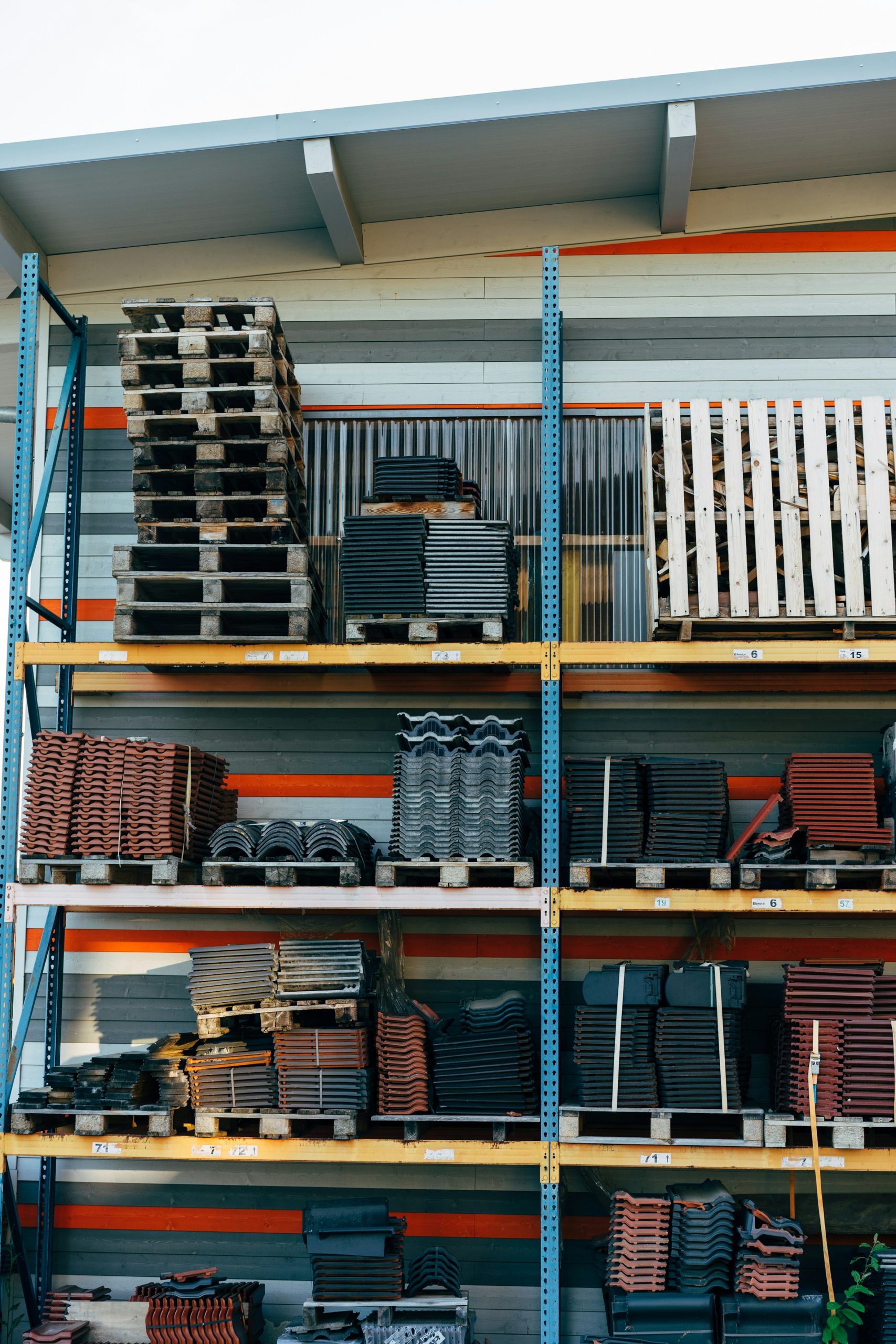
Sustainable construction is no longer a niche trend or an up-and-coming concept in the building and construction industry – it’s quickly becoming the standard. Over the years, the industry has been faced with rising environmental concerns, stricter regulations, and growing consumer demand for Eco-friendly buildings. Choosing the right building materials can significantly reduce your next building project’s carbon footprint while in turn improving long-term efficiency.
In this article, we’ll explore how choosing Eco-friendly materials reduces environmental impact, lowers energy costs, and improves overall building performance – and how sustainability is the future of construction.
Table of Contents
Why Sustainable Construction Materials Matter
Traditional construction materials, such as concrete and steel, have stood the test of time. Architects, construction companies, and property owners know they work reliably in most cases. However, these traditional materials are a top contributor to global carbon emissions.
Choosing sustainable materials helps lower that contribution. Using them in your next building project can:
– Reduce carbon footprint
– Improve energy-efficiency
– Minimize waste
– Enhance indoor air quality
– Support long-term durability
Using Eco-friendly materials isn’t just good for the environment – it’s one of the smartest business investments you can make!
Types of Sustainable Construction Materials
There are a number of Eco-friendly building materials to include in your next build that not only offer sustainability, but beauty and durability as well. Some of them include:
Bamboo
Bamboo is at the top of the sustainable building material list as a renewable resource for sustainability in construction. It’s one of the most popular materials today due to benefits like:
– Rapid regeneration (grows up to 3 feet/day)
– Stronger than many hardwoods
– Biodegradable
– Renewable
– Multiple uses (flooring, framing, paneling)

Pro Tip: Be sure to include bamboo to help achieve LEED certification for your next build
Recycled Steel
The traditional production of steel is energy- and material-intensive, producing large amounts of carbon emissions. Choosing recycled steel dramatically reduces your next construction project’s environmental impact while also being durable long-term.
Other key benefits include:
– 100% recycled material without quality loss
– Reduced mining demand
– Extremely durable and long-lasting
– Resistant to pests and fire
Building projects use recycled steel most effectively in structural framework and roofing.
Hempcrete
Many of the products on this list reduce carbon emissions. Hempcrete is made from hemp fibers mixed with lime – creating a lightweight, insulating material and is one of the industry’s up-and-coming carbon-negative products. Advantages to using it in your next build include:
– Absorb more CO₂ than it emits
– Excellent thermal insulation
– Mold and pest resistant
– Lightweight
– Easy to work with
Hempcrete is growing in popularity for residential construction for walls and insulation.
Cross-Laminated Timber (CLT)
This sustainable wood alternative is engineered wood made by layering timber panels in perpendicular directions. Benefits include:
– High strength and stability
– Lower carbon footprint than concrete
– Faster construction times
– Renewable and biodegradable
CLT is widely used in multi-story buildings today
Reclaimed Wood
Reclaimed wood is already popular as an interior design element – tables, mantle pieces, and more have been created from wood salvaged from old buildings, barns, or factories. Not only does the use of reclaimed wood in your next project give that old material new life, it:
– Reduces deforestation
– Reduces landfill waste
– Adds unique aesthetic character
– Age and density add strength
Pro Tip: Utilize reclaimed wood for flooring, beams, and decorative elements
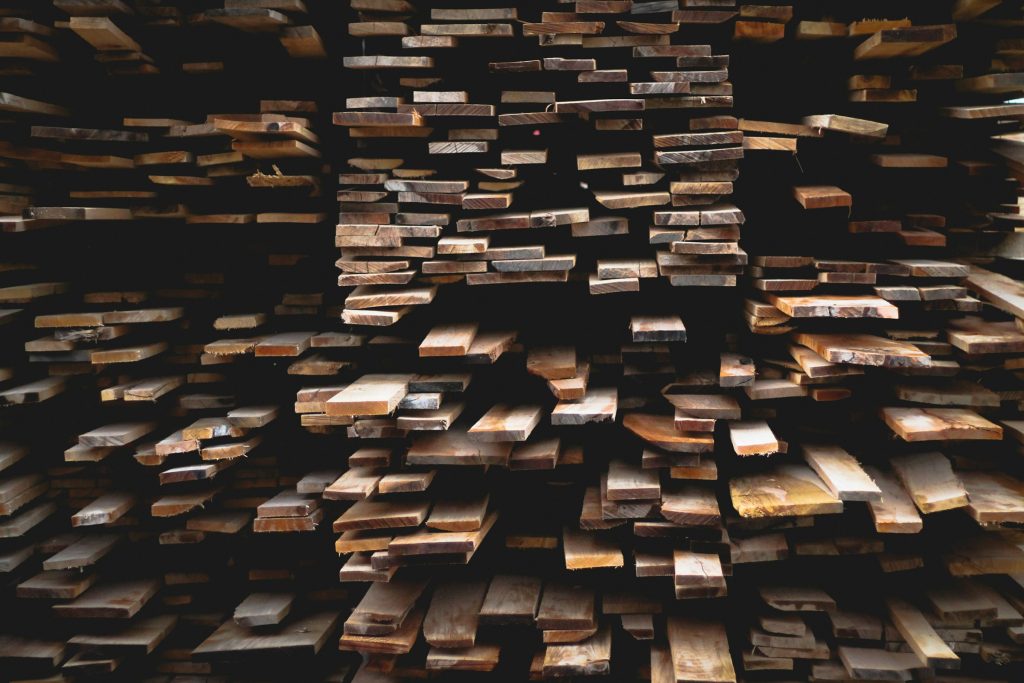
These are just some of the sustainable building materials you can include in your next building project. Sustainable building materials are most effective when combined – a single material isn’t as effective as multiple materials working together.
For a more detailed list of current and up-and-coming sustainable building materials, check out our article Sustainable Building Materials to Include in Your Next Build.
The Future of Sustainable Construction
Emerging technologies in sustainable building materials like carbon-absorbing concrete, recycled materials, and bio-based composites are pushing the boundaries of the building and construction industry even further. As innovations continue and become more widely adopted, sustainable construction will become more accessible and cost-effective everywhere.
Final Thoughts
The rise of sustainable construction materials and Eco-friendly building materials reflects a fundamental shift in how we live, work, and build for tomorrow. By taking the lead in reducing environmental impact, improving health, and supporting long-term efficiency and performance in buildings, these materials offer a smarter, more environmentally responsible approach to construction.
The staff at Structr Group knows sustainable construction materials are quickly becoming the standard for building in the future. We can help you design and build a project that achieves your sustainability goals and serves you for years to come.
Contact us today!



0 Comments