
The building and construction industry is widely known to be one of the top contributors to carbon emissions worldwide. In today’s world of Eco-friendliness in every aspect of life, sustainability is no longer an option or luxury in commercial construction. As businesses, developers, and municipalities push toward net-zero emissions, the demand for environmentally-responsible building practices grows along with it.
One of the biggest strides the industry has made is the implementation of carbon-absorbing materials for commercial buildings. These innovative materials do more than just reduce your next building project’s environmental impact – they actively capture and store carbon dioxide (CO₂), helping your building offset and even reverse emissions generated throughout the building project and the building’s lifecycle.
From office towers and retail centers to mixed-use development and even industrial facilities, carbon-sequestering materials have been slowly buy surely reshaping the future of commercial real estate.
Table of Contents
What Are Carbon-Absorbing Building Materials?
Carbon-absorbing materials, or carbon-sequestering materials, are designed to remove CO₂ from the atmosphere and permanently store it within the building structure itself. Unlike traditional building materials – which heavily contribute to emissions – carbon-absorbing materials are a sustainable alternative that can help commercial projects achieve lower embodied carbon as well as improved environmental performance.
Carbon-absorbing building materials work through:
– Chemical carbon mineralization
– Natural carbon storage in bio-based materials
– Innovative manufacturing processes using captured CO₂
Why Carbon-Absorbing Materials Matter in Commercial Construction
As we said at the beginning, commercial buildings account for a significant percentage of global carbon emissions. This is due to:
– Energy consumption
– Material production
– Construction activities
– Long operational lifespans
By incorporating carbon-absorbing materials into modern project, developers can:
– Reduce embodied carbon
– Meet ESG and sustainability goals
– Improve LEED and WELL certification potential
– Appeal to environmentally conscious tenants and investors
– Future-proof assets against evolving regulations
Top Carbon-Absorbing Materials for Commercial Buildings
There are a number of carbon-absorbing materials that are perfect for commercial construction projects. These are just some of them:
Carbon-Cured Concrete
Concrete is essential in any commercial construction project, but the traditional production method creates a substantial amount of CO₂ emissions. Carbon-cured concrete technology injects captured carbon into the curing process – permanently embedding it into the structure.
Benefits for commercial projects include:
– Lower embodied carbon footprint
– Improved compressive strength
– Compatible with high-rise and large-scale developments
– Minimal disruption to existing construction methods
Carbon-cured concrete is increasingly being used in:
– Parking structures
– Office buildings
– Warehouses
– Multi-family developments
Mass Timber and Cross-Laminated Timber (CLT)
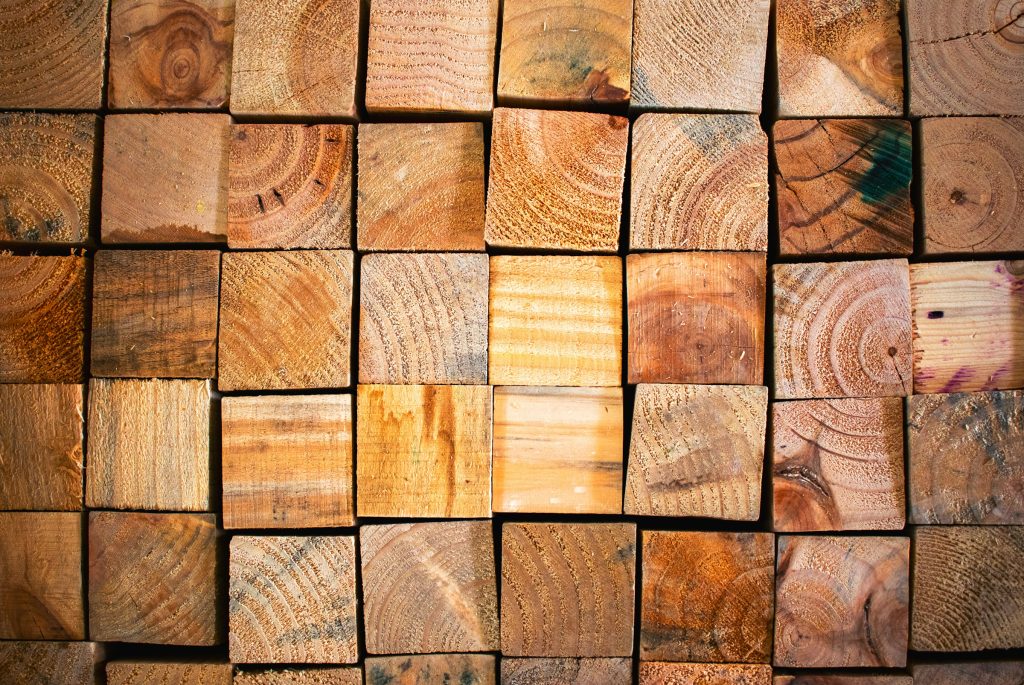
Mass timber products, including Cross-Laminated Timber (CLT), are rapidly gaining popularity in commercial architecture. Since trees absorb CO₂ during growth, timber buildings effectively store carbon throughout their lifecycle.
Benefits of mass timber and CLT for your commercial building:
– Faster construction timeline
– Reduced structural weight
– Warm, modern aesthetics
– Lower emissions compared to steel and concrete
Mass timber is growing in popularity for:
– Corporate offices
– Educational facilities
– Hospitality projects
– Mixed-use developments
Hempcrete Insulation Systems
Hempcrete, a bio-composite material made of hemp fibers, lime, and water, naturally absorbs carbon over time and provides excellent thermal performance.
Benefits include:
– Superior insulation efficiency
– Improved indoor air quality
– Mold and pest resistance
– Reduced HVAC energy demands
While hempcrete is not typically load-bearing, it works well for:
– Exterior wall systems
– Interior insulation
– Sustainable retrofit projects
Biochar-Infused Construction Materials
Biochar is made by heating organic waste in low-oxygen environments. When you incorporate biochar into concrete, bricks, or composite panels, the biochar locks carbon into the building material.
You’ll want to incorporate it into your next build for a number of reasons, including:
– Long-term carbon storage
– Waste reduction
– Improved material performance
– Support circular construction practices
Biochar is still blazing a trail, with its applications expanding in:
– Commercial paving
– Concrete mixes
– Acoustic panels
– Sustainable facade systems
Algae-Based Building Facades
Innovate algae facade systems absorb CO₂ through the plant’s natural photosynthesis process while also generating renewable energy and improving insulation performance. Some emerging commercial applications include:
– Smart office buildings
– Sustainable urban developments
– Research facilities
– High-performance green architecture
These systems offer benefits including:
– Dynamic shading
– Renewable biomass generation
– Improved building efficiency
– Visually distinctive design features
Benefits of Carbon-Absorbing Materials in Commercial Real Estate
There are a number of overall benefits of using these and other carbon-absorbing products in your next commercial build.
Lower Operational and Embodied Carbon
Commercial developers have increasingly been evaluating both operational and embodied carbon from all construction materials used in their projects. Carbon-absorbing materials help reduce total lifecycle emissions.
Stronger ESG Performance
Investors and tenants today have prioritized Environmental, Social, and Governance (ESG) metrics, and sustainable building materials – including carbon-absorbing materials – can enhance:
– Investor appeal
– Tenant retention
– Corporate sustainability reporting
– Brand reputation
Increased Property Value
Going green with your next building project doesn’t just boost your brand reputation or attract investors or tenants. Green commercial buildings often command:
– Higher lease rates
– Lower vacancy rates
– Greater long-term asset value
– Enhanced marketability
All things that boost your building’s bottom line!
Support for Green Building Certifications
Green building is more than just a checklist of standards, but using sustainable practices and materials – like carbon-absorbing building materials – gets your building closer to achieving some of the industry’s most prestigious standards, including:
– LEED
– WELL Building Standard
– Living Building Challenge
– Net-Zero Energy certifications
Challenges Facing Adoption
While sustainable building materials and practices are slowly becoming the norm, there are still road blocks when it comes to the adoption of the newest technologies. Some things that shy developers and their clients away from sustainable materials include:
Higher Initial Costs
Some carbon-absorbing materials currently carry premium pricing when compared to traditional alternatives
Supply Chain Limitations
Availability can vary based on region or project scale. Not all materials are readily available, or available in the quantities needed for large-scale building projects.
Building Code and Compliance Issues
Emerging materials have gone through limited testing and application, often requiring additional testing or approvals in some municipalities.

Industry Education
One of the biggest barriers to widespread adoption, especially in the construction industry, is industry education. Developers, contractors, and design teams need training on these new materials and their proper installation, as well as be able to understand the material’s performance expectations.
The Future of Sustainable Commercial Construction
As climate regulations tighten and sustainability goals become increasingly more ambitious, carbon-absorbing materials are expected to play a major role in the commercial developments of the future.
Projected future innovations include:
– Carbon-negative skyscrapers
– Self-healing low-carbon concrete
– Fully regenerative building systems
– AI-optimized sustainable material selection
Developers who adopt such technologies early can position themselves as leaders of the next generation of commercial real estate.
Final Thoughts
Carbon-absorbing materials are transforming today’s commercial construction industry by turning buildings into active participants in climate solutions. From carbon-cured concrete to mass timber and algae facades, these innovations offer practical ways to reduce emissions while improving building performance and long-term value for owners.
The staff at Structr Group knows that as demand for sustainable commercial buildings continues to rise, integrating these and other carbon-absorbing materials will become increasingly essential for architects, developers, and property owners who seek resilient, future-ready assets.
Contact us today!

0 Comments