
Modern commercial construction is no longer focused solely on creating visually impressive or cost-efficient buildings. Today, businesses, developers, architects, and designers are increasingly prioritizing human-centric design in commercial construction: an approach that puts the needs, comfort, and experiences of the people within the space first.
From office buildings and retail spaces to mixed-use developments and healthcare or hospitality facilities, human-centric design is reshaping how commercial spaces are planned, built, and ultimately used. As businesses compete to attract employees, customers, and tenants alike, creating environments that support their well-being and functionality within the space has become essential.
Table of Contents
What Is Human-Centric Design?
Human-centric design is a architectural and construction philosophy that focuses on how people interact with a space. Rather than designing solely around aesthetics or operational efficiency, human-centric design encompasses:
– Comfort
– Accessibility
– Productivity
– Wellness
– Safety
– User experience
The goal of human-centric design in commercial environments is to create spaces that improve the quality of life for occupants, while also enhancing business performance.
Why Human-Centric Design Matters in Commercial Construction
There are a number of reasons you should focus on the people using the spaces in your next building project, including:
Improved Employee Productivity
Studies have show that in commercial office environments, workplace design directly impacts employee performance. Features such as natural light, ergonomic furnishings and workspaces, and proper ventilation all help employees stay focused and energized throughout the work day.
A well-designed workplace can:
– Reduce fatigue
– Improve concentration
– Increase collaboration
– Lower absenteeism
In today’s work of evolving hybrid work models, businesses are investing even more in office spaces that employees actually want to use while in the office.
Enhanced Health and Wellness
Healthy buildings are becoming a major priority in modern commercial construction. Human-centric design supports a building’s occupants’ physical and mental well-being through:
– Improved indoor air quality
– Natural daylight access
– Noise reduction strategies
– Biophilic design elements
– Comfortable temperature control

Features such as these create healthier indoor environments that benefit employees, customers, and visitors alike.
Better Customer Experiences
In industries such as retail, hospitality, and entertainment, customer experience is everything – and human-centric spaces are key. Human-centric spaces are designed to feel comfortable, intuitive, and welcoming. Human-centric design elements include:
– Easy navigation and wayfinding
– Comfortable seating areas
– Open, inviting layouts
– Accessible entrances and pathways
When customers feel comfortable in a space, they are more likely to stay longer, and even return in the future.
Supports Accessibility and Inclusivity
Commercial spaces must accommodate people of all abilities and backgrounds, and human-centric design helps achieve that goal. Human-centric construction incorporates the universal design principles that make buildings accessible and user-friendly for everyone.
Steps to take to improve accessibility and inclusivity in your building include:
– ADA-compliant layouts
– Barrier-free entrances
– Clear signage
– Elevators and ramps
– Flexible workspace options
These aspects of inclusive design helps business better serve employees, tenants, and visitors while meeting regulatory standards.
Increases Property Value and Tenant Retention
Commercial properties designed with occupant comfort and wellness in mind often outperform traditional buildings in the long term. Some benefits of focusing on people first:
– Higher tenant satisfaction
– Increased occupancy rates
– Improved lease renewals
– Higher property values
– Stronger market competitiveness

Developers now recognize that human-centric commercial buildings are not only beneficial for occupants, but also provide a strong return on investment as time goes on.
Key Elements of Human-Centric Commercial Construction
There are some key elements to focus on to make your next commercial construction building project more human-centric:
Natural Lighting
Access to daylight has shown to improve mood, energy, and productivity in employees. Additionally, the effective use of natural lighting reduces your reliance on artificial lighting – saving money on electric bills.
Flexible Spaces
Human-centric, modern commercial buildings require adaptable layouts that can evolve with changing workplace and tenant needs.
Smart Building Technology
Integrating smart technologies enhances human-centric design by providing convenience, comfort, and energy management through automation and personalized controls.
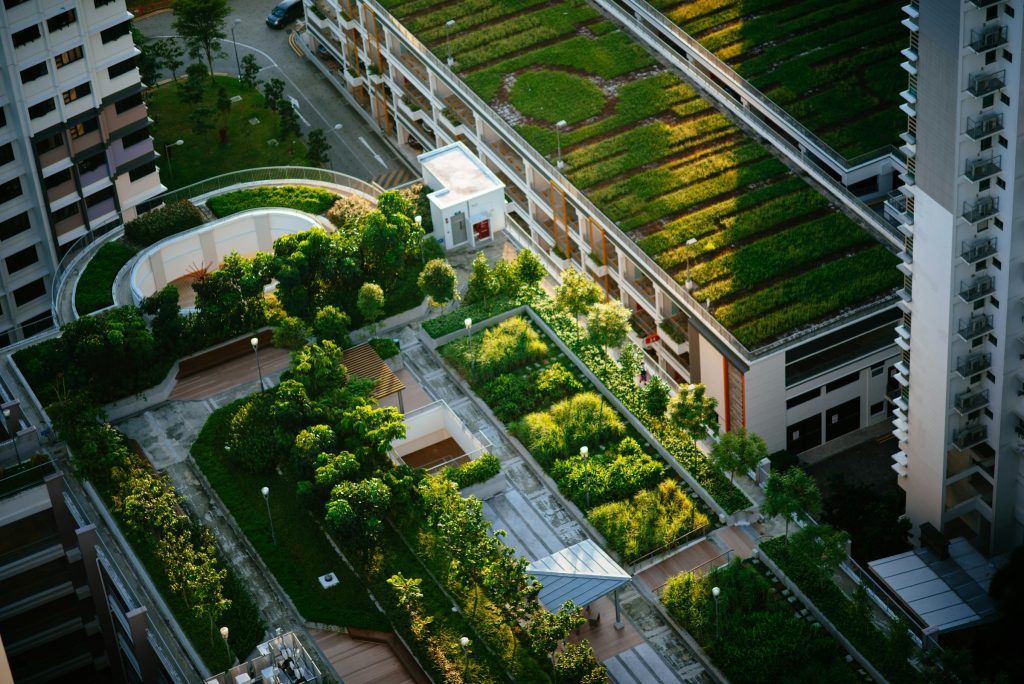
Biophilic Design
Biophilic design is a philosophy that touches the core human need to connect with nature. Natural materials and outdoor connections – including natural light – helps reduce employee stress and improve wellness.
Acoustic Comfort
Sound management is critical in commercial spaces, from offices and healthcare facilities to hospitality environments where excessive noise can reduce comfort, productivity, and privacy.
Human-Centric Design and Sustainable Construction
Human-centric design often goes hand-in-hand with sustainable construction practices. Energy-efficient systems, Eco-friendly materials, and healthier indoor environments benefit occupants as well as the surrounding environment. Human-centric design and its sustainable components help achieve certifications such as LEED and WELL, which increasingly emphasize:
– Occupant wellness
– Air quality
– Natural lighting
– Sustainable materials
As the push for sustainability in construction becomes more and more important in commercial development, human-centric construction strategies are gaining momentum, too.
The Future of Human-Centric Commercial Construction
The staff at Structr Group knows the future of commercial construction is centered around people. As technology advances and workplace expectations evolve, developers and contractors must design and build spaces that prioritize the human experience alongside functionality and efficiency. Some of today’s emerging trends include:
– Smart wellness buildings
– AI-driven building systems
– Flexible hybrid workspaces
– Wellness-focused office design
– Sustainable mixed-use developments
Human-centric construction is no longer optional in the commercial industry – it is quickly becoming the industry standard.
Final Thoughts
The staff at Structr Group knows the importance of human-centric design in commercial construction. The practice continues to grow as businesses recognize the value of creating spaces that truly support the people who use them. From improving productivity and wellness to increasing tenant retention and long-term value, the human-centric design philosophy benefits all parties involved.
For commercial developers, architects, designers, and construction professionals, prioritizing human-centered spaces is a smart investment that reflects the future of the built environment.
Contact us today!




0 Comments